
Serviceleistungen
Unser Schlüsselnotdienst Düsseldorf hilft Ihnen im Notfall – wir sind jeden Tag 24 Stunden erreichbar. Wir öffnen Türen, wechseln Schlösser und beraten Sie zum Thema Einbruchschutz.
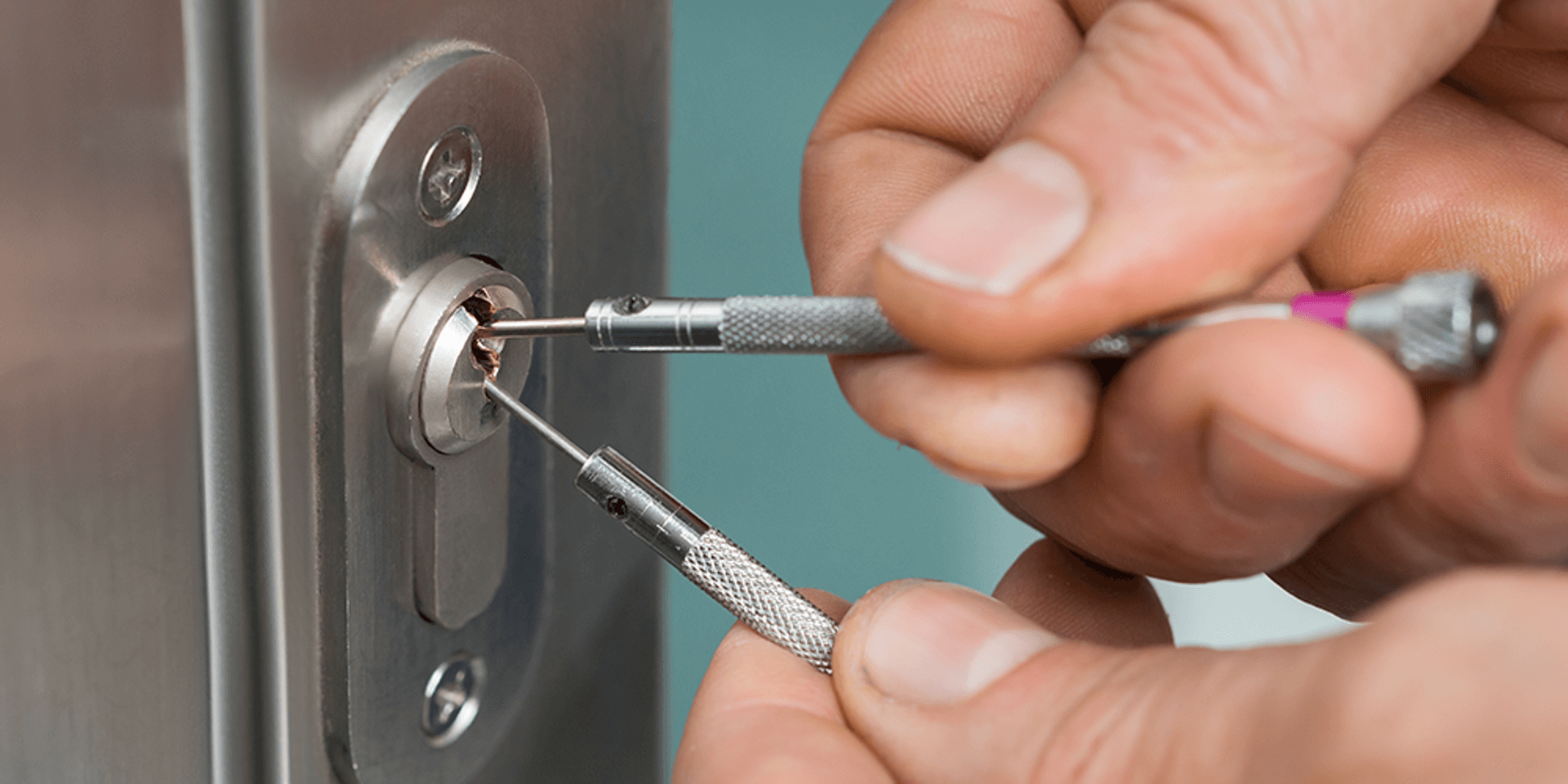
Türöffnung in Düsseldorf
- Öffnungen ohne Schäden
- In 15-30 Min. vor Ort
- 24 Std. Service an 365 Tagen
- Kostenlose Anfahrt
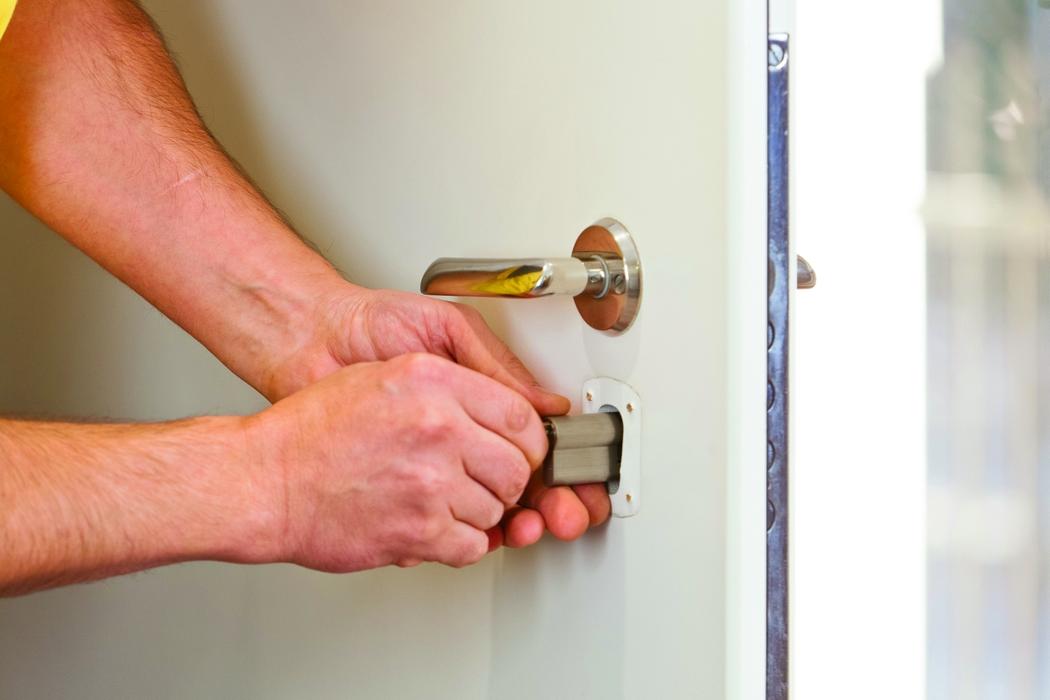
Zylinder wechseln in Düsseldorf
- Öffnungen ohne Schäden
- In 15-30 Min. vor Ort
- 24 Std. Service an 365 Tagen
- Kostenlose Anfahrt

Einbruchschaden reparatur in Düsseldorf
- Öffnungen ohne Schäden
- In 15-30 Min. vor Ort
- 24 Std. Service an 365 Tagen
- Kostenlose Anfahrt
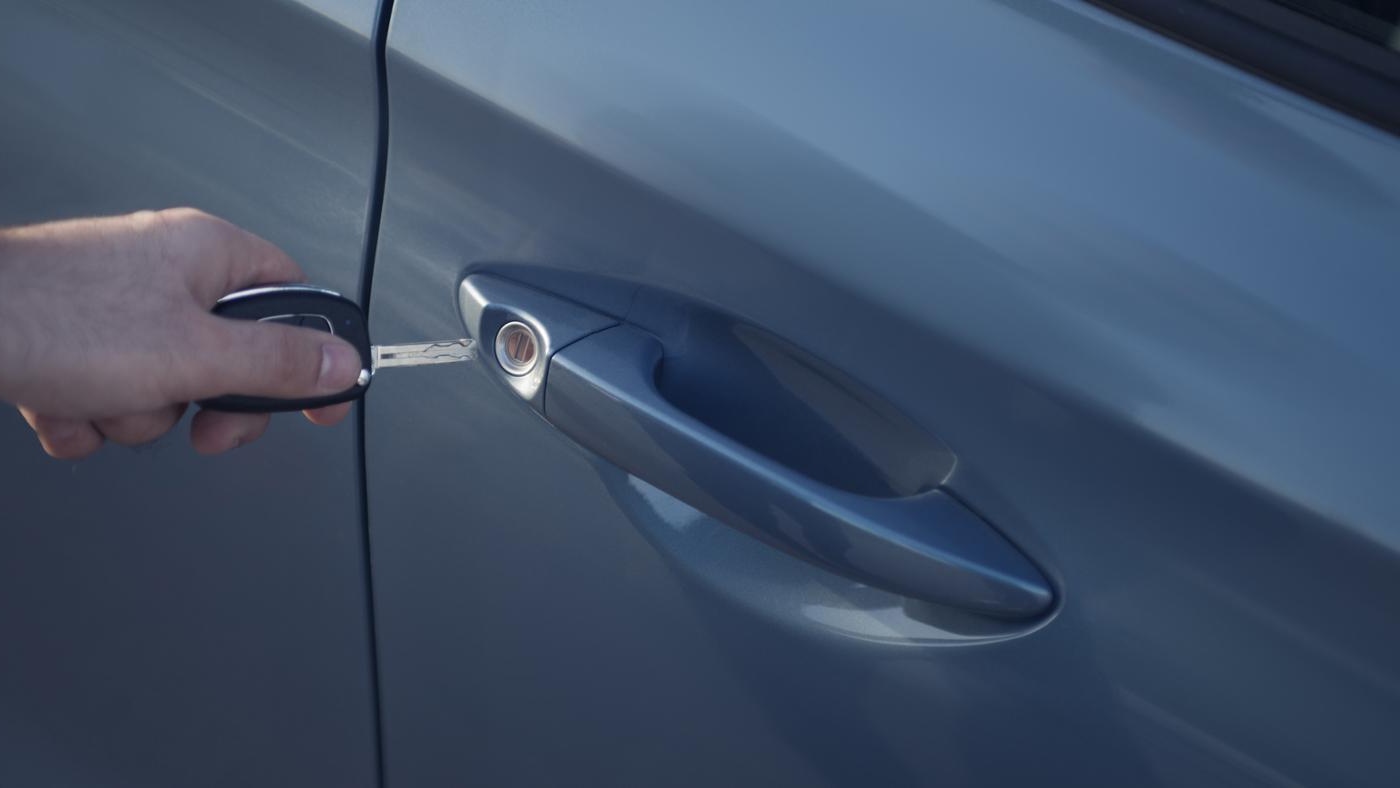
Autoöffnung in Düsseldorf
- Öffnungen ohne Schäden
- In 15-30 Min. vor Ort
- 24 Std. Service an 365 Tagen
- Kostenlose Anfahrt
Mit diesem Service überzeugen wir Sie
Wir lassen Sie in einer stressigen Situation, wie eine geschlossene Haustür, nicht im Stich, sondern helfen Ihnen zügig.
Schadenfreie Türöffnung
Innerhalb von wenigen Minuten ist ein Techniker vor Ort und öffnet Ihre Tür ohne Beschädigungen.
Kostenlose Beratung
Sie haben sich ausgesperrt? Wir beraten Sie über unsere Leistungen und über die nächsten Schritte.
Festpreisangebot
Sie erhalten von uns ein günstiges Angebot mit sämtlichen Kosten, Materialen und Gebühren.
24h-Notdienst
Um Ihnen schnell helfen zu können, arbeiten wir 24 Stunden am Tag, auch an Wochenenden und Feiertagen.
Bewertungen
Was unsere Kunden über uns sagen.
Zahlungsmethoden
Wir akzeptieren Bargeld und Karten.


Soforthilfe bei versperrten Türen
In den meisten Fällen können wir das Schloss beschädigungsfrei öffnen.
Falls Sie dennoch ein neues Schloss wünschen, montieren wir Ihnen ohne großen Aufwand ein neues sicheres Schloss.
Schlüsseldienst für Ihren Stadtteil
Der Schlüsselnotdienst aus Düsseldorf ist in allen Stadtteilen aktiv.
Schlüsseldienst Düsseldorf – Ihr verlässlicher Partner, wenn Sie einen Vorfall für den Schlüsseldienst haben und einen Schlüsseldienst in Ihrer Nähe benötigen.
Serviceangebote des Schlüsseldienstes Düsseldorf:
- Rund um die Uhr verfügbarer Schlüsseldienst
- Schlüsseldienst Düsseldorf Mitte und Umgebung, das bedeutet immer einen Schlüsseldienst in Ihrer Nähe
- Schlüsselnotdienst durchschnittlich innerhalb von 15-20 Minuten.
Türöffnung Düsseldorf
Türöffnung Düsseldorf öffnet für Sie wie eine zugefallene Tür so auch eine zugesperrte Tür. Rufen Sie die Türöffnung Düsseldorf, wenn Sie aus dem Haus ausgesperrt sind und die Türöffnung Düsseldorf benötigen. Wenn Sie unseren Schluesseldienst Düsseldorf kennen, brauchen Sie nicht gleich zu zweifeln, wenn Sie sich ausgesperrt haben. Türöffnung Düsseldorf vom Schlüsseldienst Düsseldorf ist Ihr treuer Freund, der Ihnen helfen wird. Unser Schlüsseldienst leistet die Türöffnung in 95% der Fälle ohne jegliche Zerstörungen. Wie groß dieser Prozentanteil für die Türöffnung Düsseldorf ist, kommt vor allem zum Vorschein, wenn man bedenkt, dass unser Schluesseldienst Düsseldorf sich mit allen Türen beschäftigt, darunter auch Tresore und Autotüren. Egal, welche Tür bei Ihnen geöffnet werden muss, Sie können sich an die Türöffnung Düsseldorf von unserem Schlüsseldienst widmen.
Alle Mitarbeiter vom Schluesseldienst Düsseldorf sind bestens ausgebildet, um jedes Schloss öffnen zu können. Darüber hinaus besitzen alle Fachleute vom Schluesseldienst Düsseldorf das nötige Werkzeug nach dem letzten technischen Stand. Das garantiert der Türöffnung Düsseldorf immer ein gutes Ergebnis. Wir sorgen dafür, dass Sie Ihre Tür der Türöffnung Düsseldorf vertrauen können.
Schlüsselnotdienst Düsseldorf
Wenn man ausgesperrt ist, ist es egal, zu welcher Uhrzeit es passiert ist, man will sofort wieder ins Haus und benötigt schnell Hilfe vom Schlüsseldienst. Gerade nachts möchte man nicht lange warten und benötigt dringend den Schlüsselnotdienst. Deshalb steht Ihnen unser Schlüsselnotdienst Düsseldorf jederzeit zur Verfügung, damit Sie nicht bis zum nächsten Morgen warten müssen. Der Schlüsselnotdienst Düsseldorf ist 24 Stunden am Tag erreichbar und wird Ihnen niemals absagen. Auch an Wochenenden und Feiertagen arbeitet der Schlüsselnotdienst Düsseldorf zuverlässig und öffnet Türen, repariert Schlösser und vieles mehr. Wenn Sie den Schlüsselnotdienst Düsseldorf benötigen, zögern Sie nicht, ihn anzurufen, denn er ist immer für Sie da.
Und Sie brauchen sich keine Sorgen zu machen, dass der Schlüsselnotdienst Düsseldorf Ihre Notsituation ausnutzt. Es werden keine zusätzlichen Kosten für den Schlüsselnotdienst Düsseldorf in der Nacht oder an Feiertagen erhoben. Sie erhalten denselben Preis wie an einem normalen Arbeitstag, wenn Sie den Schluesseldienst Düsseldorf kontaktieren.
Schlüsseldienst in der Umgebung
Beim Schlüsseldienst Düsseldorf Mitte sind wir fest davon überzeugt, dass sich ein Schlüsseldienst in Ihrer Nähe befindet. Es gibt einen Grund für unser Vertrauen, dass ein Schlüsseldienst in Ihrer Nähe ist. Um sicherzustellen, dass sich ein Schlüsseldienst in Ihrer Nähe aufhält, haben wir ein umfangreiches Netzwerk von Fachleuten aufgebaut, die Schlüsseldienstleistungen anbieten. Egal, wo Sie sich befinden, Sie können sicher sein, dass sich ein Schlüsseldienst in Ihrer Nähe befindet. Wir haben Handwerker für Schlüsseldienste in allen Bereichen von Düsseldorf. Ob Sie den Schlüsseldienst Düsseldorf Mitte benötigen oder einen Schlüsseldienst für eine andere Region in Düsseldorf oder Umgebung benötigen, wir haben immer einen Schlüsseldienst in der Nähe. Sobald Sie uns Ihre Adresse während des Telefonats mitteilen, wird der Fachmann vom Schlüsseldienst geschickt, der Ihnen am nächsten ist. Der Schlüsseldienst in Ihrer Nähe erhält den Auftrag.
Da es immer einen Schlüsseldienst in Ihrer Nähe gibt, ist die Hilfe des Schlüsselnotdienstes Düsseldorf innerhalb weniger Minuten bei Ihnen, egal von wo aus Sie uns anrufen. Um genau zu sein, benötigt der Schlüsselnotdienst Düsseldorf 15-20 Minuten, da sich der Schlüsseldienst in Ihrer Nähe befindet.
Wenn Sie Ihren Schlüssel verloren haben oder wenn Ihre Tür versehentlich zugefallen ist und Sie den Schlüsseldienst in Düsseldorf benötigen, sollten Sie wissen, dass sich ein Schlüsseldienst in Ihrer Nähe befindet. Sie müssen nicht nach dem Schlüsseldienst Düsseldorf suchen, denn der Schlüsseldienst in Ihrer Nähe ist bereit, zu Ihrer Haustür zu kommen.
Dienstleistungen vom Schlüsseldienst Düsseldorf Mitte
- Schlüsseldienst Düsseldorf Mitte öffnet für Sie jede Tür.
- Schlüsseldienst Düsseldorf Mitte macht für Sie den Schlüssel nach.
- Schlüsseldienst Düsseldorf Mitte repariert das Schloss.
- Schlüsseldienst Düsseldorf Mitte wechselt den Schließzylinder.
- Schlüsseldienst Düsseldorf Mitte tauscht das Schloss aus.
- Schlüsseldienst Düsseldorf Mitte leistet Autoschlüsseldienst.
- Schlüsseldienst Düsseldorf Mitte montiert Sicherheitstechnik.
- Schlüsseldienst Düsseldorf Mitte leistet Nothilfe nach Einbrüchen.
- Schlüsseldienst Düsseldorf Mitte ist der Schlüsseldienst in der Nähe.
Rufen Sie uns an!
Wenn Sie den Schlüsseldienst in der Nähe brauchen, dann ist Schlüsseldienst Düsseldorf genau der richtige für Sie. Rufen Sie den Schlüsseldienst in der Nähe. Rufen Sie den Schlüsseldienst Düsseldorf Mitte.
Willkommen beim Schlüsseldienst Düsseldorf!
Wir freuen uns, Ihnen unseren zuverlässigen Service für das Öffnen von Türen und den Schlüsselnotdienst in Düsseldorf anzubieten. Unser engagiertes Team steht Ihnen rund um die Uhr zur Verfügung, an sieben Tagen in der Woche. Ganz gleich, ob Sie Ihren Schlüssel verloren haben oder sich ausgesperrt haben, wir sind schnell und zuverlässig zur Stelle, um Ihnen zu helfen.
Als führender Schlüsseldienst in Düsseldorf haben wir uns auf das professionelle Öffnen verschiedener Türarten spezialisiert. Ob eine Tür versehentlich zugefallen oder verschlossen ist, wir öffnen sie rasch und ohne Schäden. Unsere erfahrenen Mitarbeiter verfügen über das notwendige Fachwissen und modernste Werkzeuge, um jede Türöffnung erfolgreich durchzuführen.
Wir sind uns bewusst, dass eine Türöffnung oft in einer stressigen und unerwarteten Situation erfolgt. Daher arbeiten wir effizient und zügig, um Ihnen Zeit und Nerven zu sparen. Innerhalb von Düsseldorf garantieren wir eine Ankunftszeit von 20 bis 30 Minuten. Unsere Preise sind fair und transparent, sodass Sie stets informiert sind.
Als Schlüsseldienst in Düsseldorf bieten wir Ihnen ein breites Spektrum an Dienstleistungen. Neben Türöffnungen haben wir uns auf Schlüsselreparaturen, Schlüsselanfertigungen, Sicherheitsberatungen und vieles mehr spezialisiert. Unsere Mitarbeiter sind bestens geschult und stets auf dem neuesten Stand der Technik, um Ihnen den bestmöglichen Service zu bieten.
Die Zufriedenheit unserer Kunden hat für uns höchste Priorität, weshalb wir großen Wert auf Qualität und Kundenservice legen. Unser Ziel ist es, Ihre Türöffnung schnell und zuverlässig durchzuführen, damit Sie wieder Zugang zu Ihrer Wohnung oder Ihrem Haus haben. Wir wissen, dass eine Türöffnung unvorhergesehene Kosten verursachen kann, daher bieten wir faire Preise bei gleichbleibender Qualität.
Unser Schlüsseldienst in Düsseldorf ist jederzeit für Sie erreichbar, auch an Wochenenden und Feiertagen. Wir verstehen, dass eine Türöffnung zu jeder Tages- und Nachtzeit erforderlich sein kann, und sind daher rund um die Uhr für Sie da. Mit unserer schnellen und zuverlässigen Arbeit werden Sie nie lange vor verschlossenen Türen stehen.
Unser Ziel ist es, dass Sie sich bei uns gut aufgehoben fühlen, weshalb wir Ihnen einen ausgezeichneten Kundenservice bieten. Unser freundliches und kompetentes Team steht Ihnen jederzeit zur Verfügung, um Ihre Fragen zu beantworten und Ihnen weiterzuhelfen.
Kurz gesagt, wenn Sie einen vertrauenswürdigen Schlüsseldienst in Düsseldorf benötigen, sind wir Ihr Ansprechpartner. Wir arbeiten schnell, zuverlässig und transparent in Bezug auf unsere Preise. Ob Türöffnungen, Schlüsselreparaturen oder Sicherheitsberatungen – wir sind für Sie da. Zögern Sie nicht, uns jederzeit anzurufen und lassen Sie sich von unserem erstklassigen Service überzeugen.
Türöffnung in Düsseldorf
- Festpreis ab 19 €
- 24 Stunden 7 Tage die Woche